I’m Asir. Over 20-plus years in big tech, I've learned over and over again how patience, clear thinking, and strong systems can transform a team, a business, and a life.
This website isn’t about achievement as we commonly understand it in today’s tech and corporate settings. It’s about patterns. Here you’ll discover turning points, hard-won lessons, and quiet victories from that journey. I share them so you can build confidence in your own path, design better systems, and lead with greater courage and care in whatever field calls you.

I’m Asir. Over 20-plus years in big tech, I've learned over and over again how patience, clear thinking, and strong systems can transform a team, a business, and a life.

This website isn’t about achievement as we commonly understand it in today’s tech and corporate settings. It’s about patterns. Here you’ll discover turning points, hard-won lessons, and quiet victories from that journey. I share them so you can build confidence in your own path, design better systems, and lead with greater courage and care in whatever field calls you.

From Eight Streets to Global Guidance

I started in Vijayramapuram, a small South Indian village with only eight streets, and eventually became a leader at Microsoft, helping global companies trust Azure for their Java and AI systems. Here are a few of the lessons I’ve learned along the way.

Origins
Farmers bent over to transplant rice saplings in a flooded paddy; a shirtless man stands on the right.

Born in a small village in Southern India, I was raised by my parents, who ran a small retail shop. What they lacked in formal education they made up for in grit and grace.
You are not behind
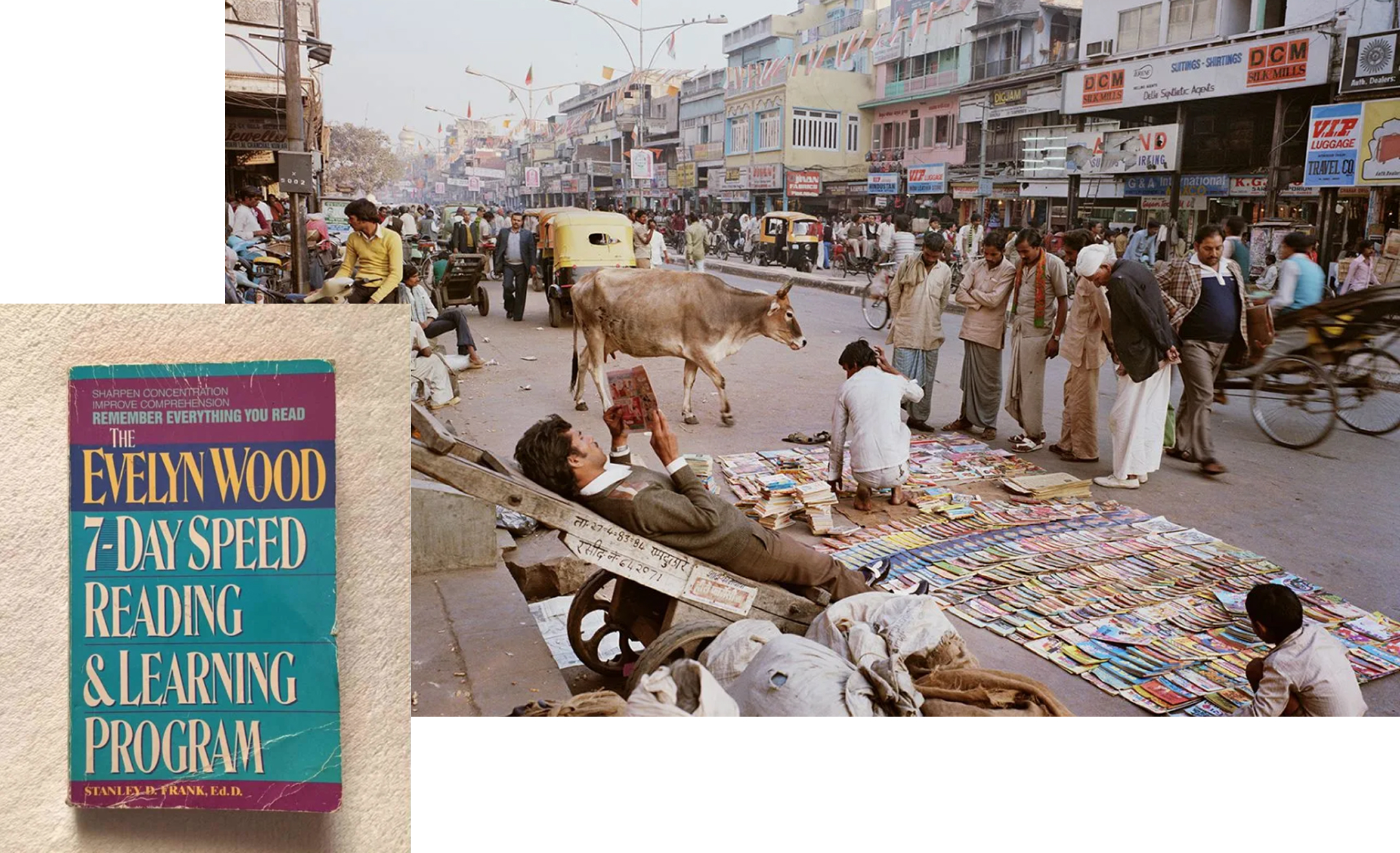
Busy Indian street market with a cow walking among pedestrians, book stalls spread on the ground, and colorful storefronts in the background

I did not start out as a top student, but everything changed when I learned how to learn, see patterns, and develop systems. Here, you will receive tools and resources to help you think more clearly, learn faster, and make better decisions.
Changing course is not always easy, but it is often worthwhile.
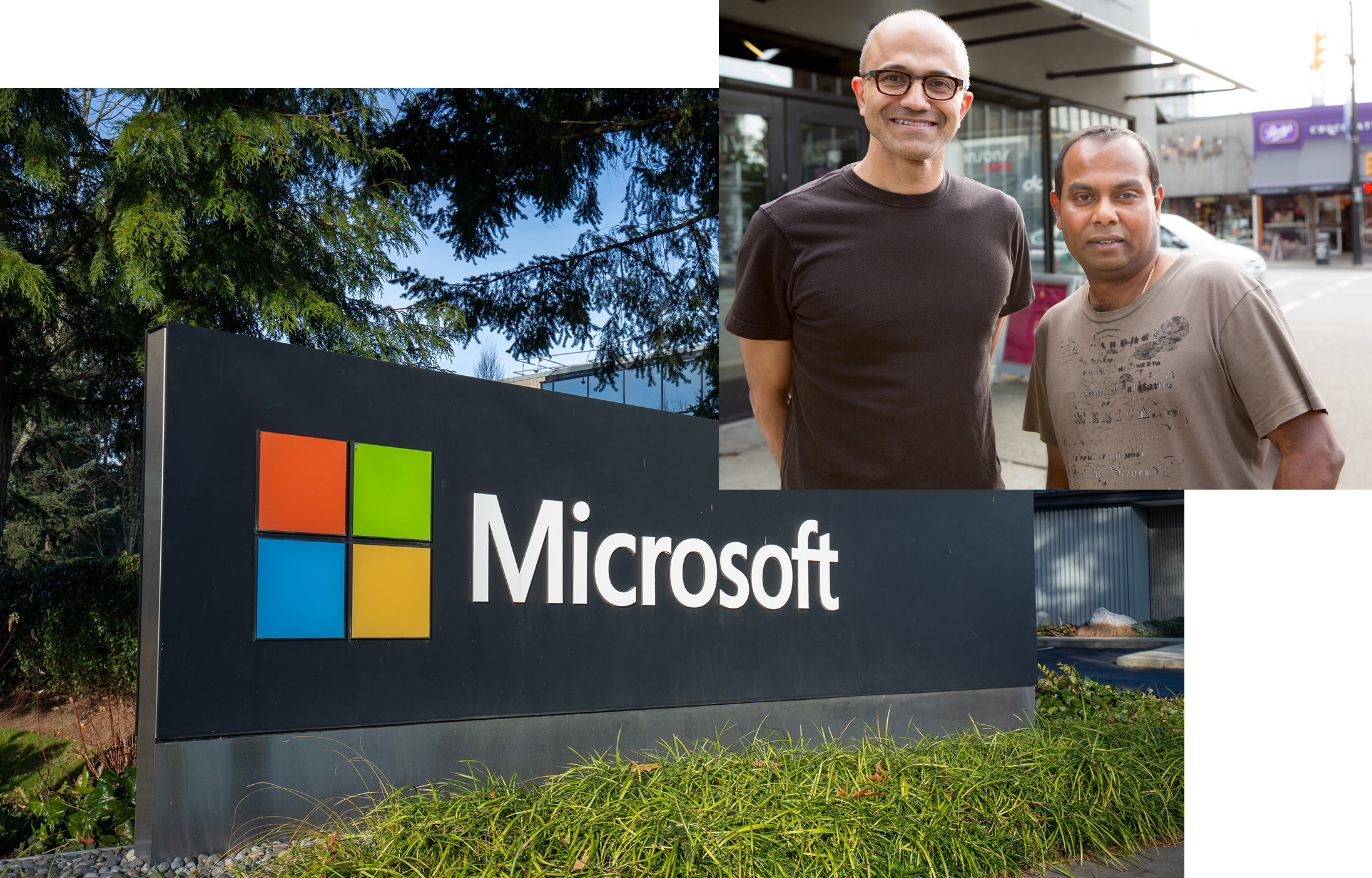
Microsoft sign with a colorful logo in the foreground; two men stand on a sidewalk in the background.

Helping Microsoft shift from being seen as anti-Java to becoming a trusted platform for Java and AI builders required steady influence. When you combine clear vision with practical steps, you open the door for others to join you. That’s what you will find here – and it is one of the skills sets I will share with you.

Sometimes the smallest event can change everything.

I was among the first in my family to attend college, but learning had never come easily. Everything changed in one afternoon, when I bought a book in Moore Market, Chennai, that ignited a lifelong passion for learning.

Purpose comes from understanding your impact.
Industrial textile loom with a green framework and multiple rollers in a factory setting

In college, I used code to improve the rotogravure equipment at a local printing company. When my innovation was adopted by the machine’s Italian manufacturer, it opened my eyes to how code can solve real-world problems. Later, I ran the family's retail business, where cost-saving innovations also came with important lessons in leadership.
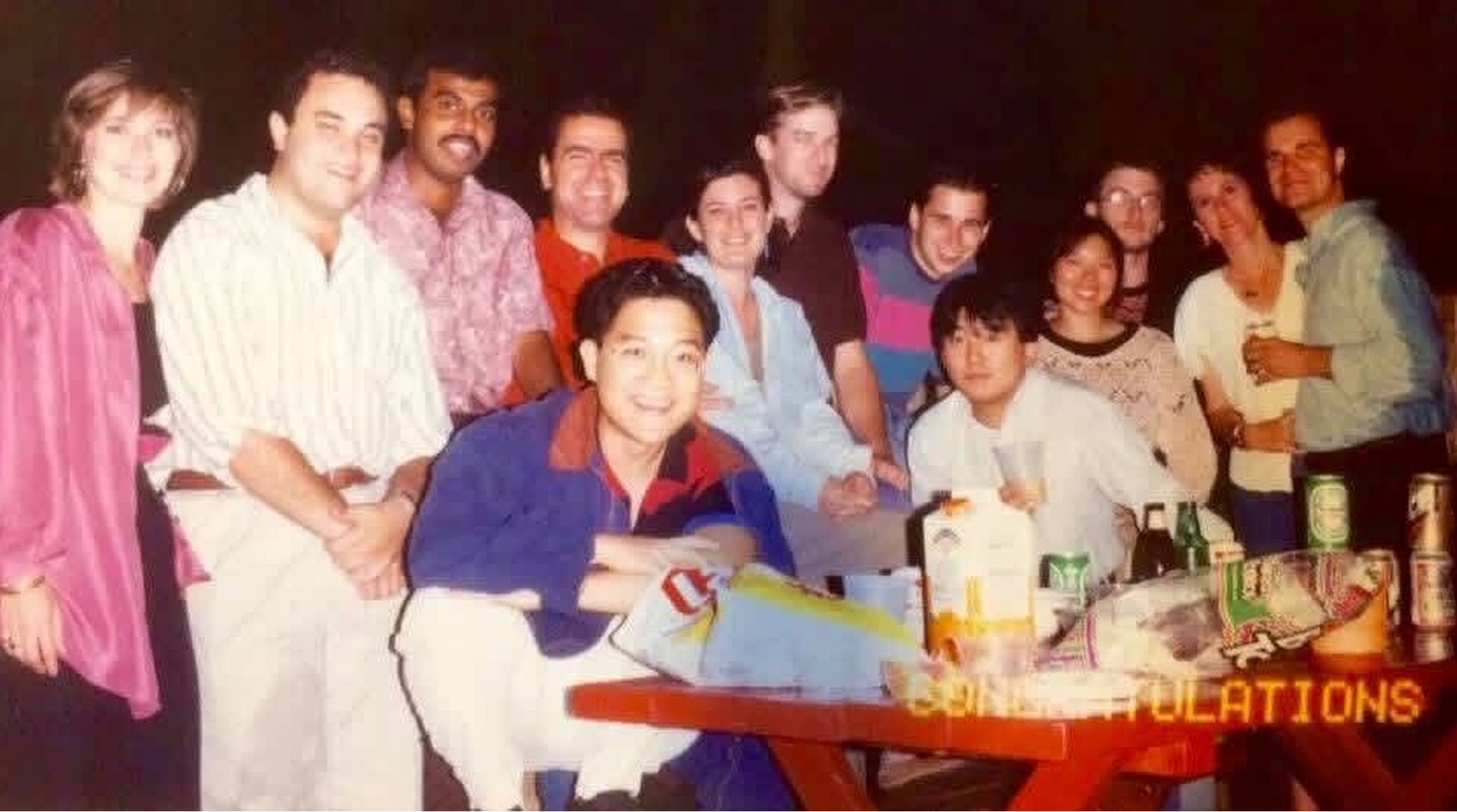
Opportunities come when you stay open and adapt
Group of people smiling and posing for a photo at a party, with a celebratory banner reading 'CONGRATULATIONS' in the foreground and drinks on the table.

In the U.S. in the early 1990s, I embraced a new way of life. Java became my language of impact, and I rose to Lead Architect at webMethods, helping shape XML and web service standards so that systems everywhere could work together.
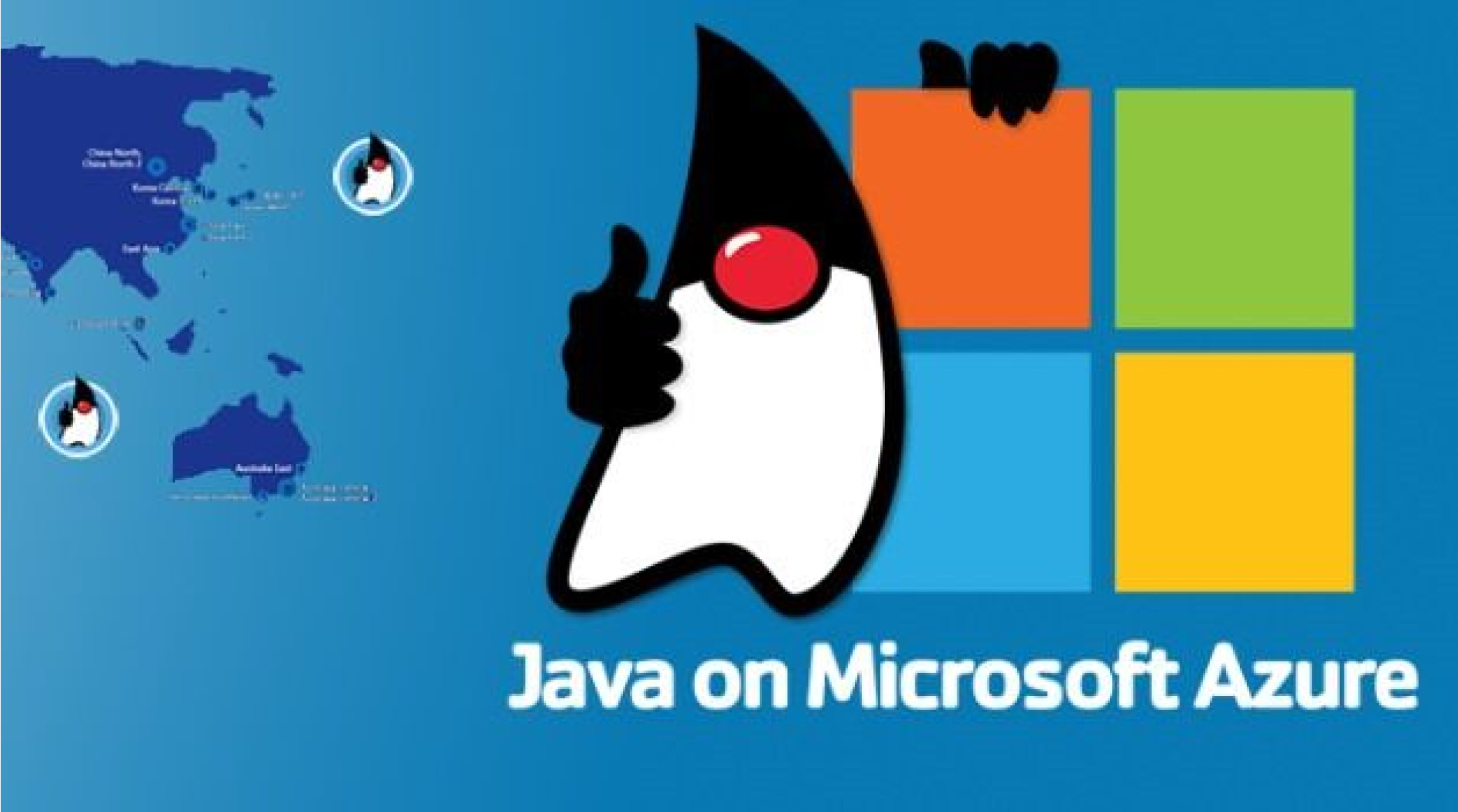
Maintain vision and clarity – especially amidst your greatest challenges.
Banner advertising Java on Microsoft Azure with Tux the penguin giving a thumbs up beside Windows-style colored tiles on a blue background.

In 2005 I joined Microsoft. At the time, they were challenged to embrace Java and open source; they had seen my work with Java and wanted that strength inside the company. I helped lead the company’s historic turnaround and built a team from scratch. We forged industry partnerships and guided Microsoft's cloud platform to create multi-billion-dollar business impact.
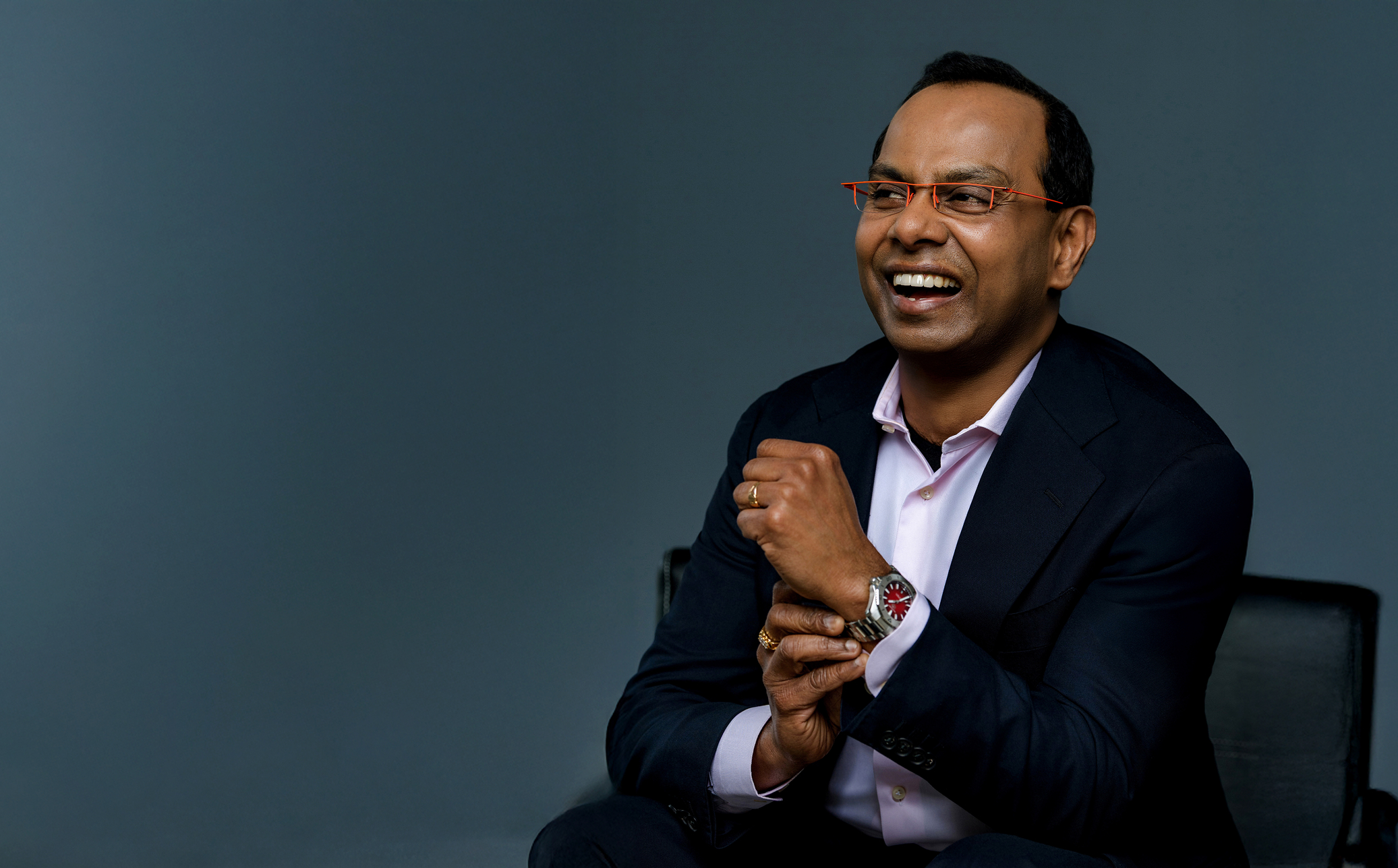
The greatest satisfaction lies in helping others build success.
Smiling man in a navy suit and pink shirt sits against a blue backdrop, laughing groovily.

Today, I’m excited to develop new ways to combine app, data and AI. I’m on a mission to help others build – systems, products, and careers – with clarity and courage. Because ultimately, this website isn’t about my story. It’s about yours.
Professional headshot: smiling man in a dark blazer and pink shirt against a dark teal background.

Clarity for your journey – whatever the challenge

Every breakthrough starts with difficult questions: Am I too far behind? Is this challenge too big for me? Is this amount of uncertainty too much for me? Here are the lessons I’ve learned and the patterns I’ve found along my path from a village of eight streets to a place of global technology leadership, so you can navigate your own journey with clarity and confidence.

When you feel like you’ll never get it
Maybe you’re staring at a challenge that feels too big. Maybe you’re wondering if your starting point is too far back, if the gap between where you are and where you want to be is too wide.

I understand that feeling. I’ve lived it.

I grew up in Vijayaramapuram, a small village with eight streets in Tirunelveli, Southern India, raised by parents who ran a small retail shop in Coimbatore with grit and grace but little formal education. School was important, but it did not come naturally. Every grade, every exam felt like an uphill battle. Teachers and friends from my church stepped in, offering help where my family could not. But it was still hard.

That changed in one afternoon, when I bought a book for 50 paise – about half a cent – that I found in Moore Market, Chennai. The Evelyn Wood 7 Day Speed Reading and Learning Program opened my mind and showed me how to learn. That is what stayed with me: not just speed, but the confidence that I could learn and apply knowledge again and again.


Sometimes the breakthrough you need is hiding in the most unexpected place and costs less than you think.

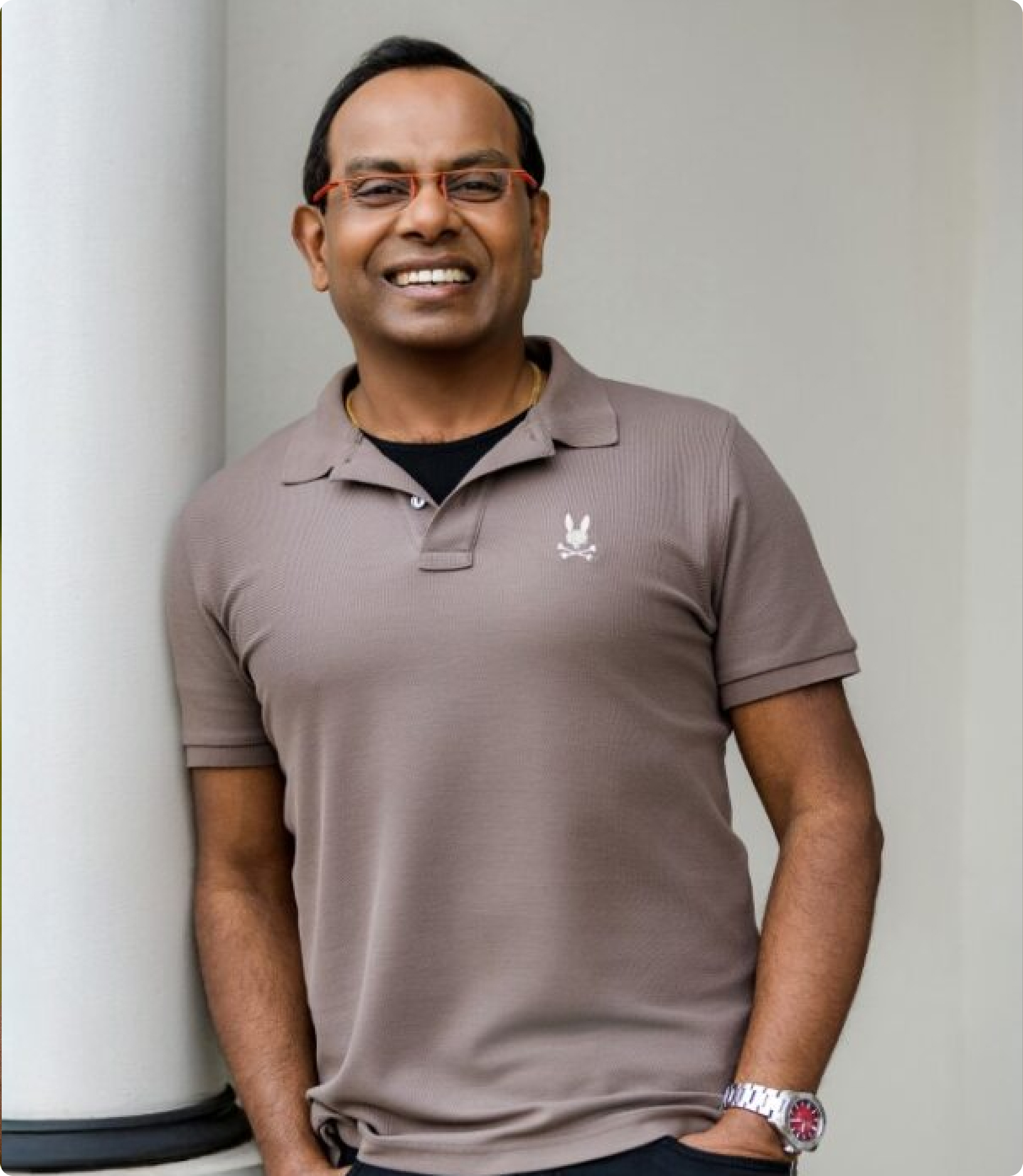
Smiling man wearing a brown polo shirt with a logo and red glasses, standing beside a light pillar against a neutral background.
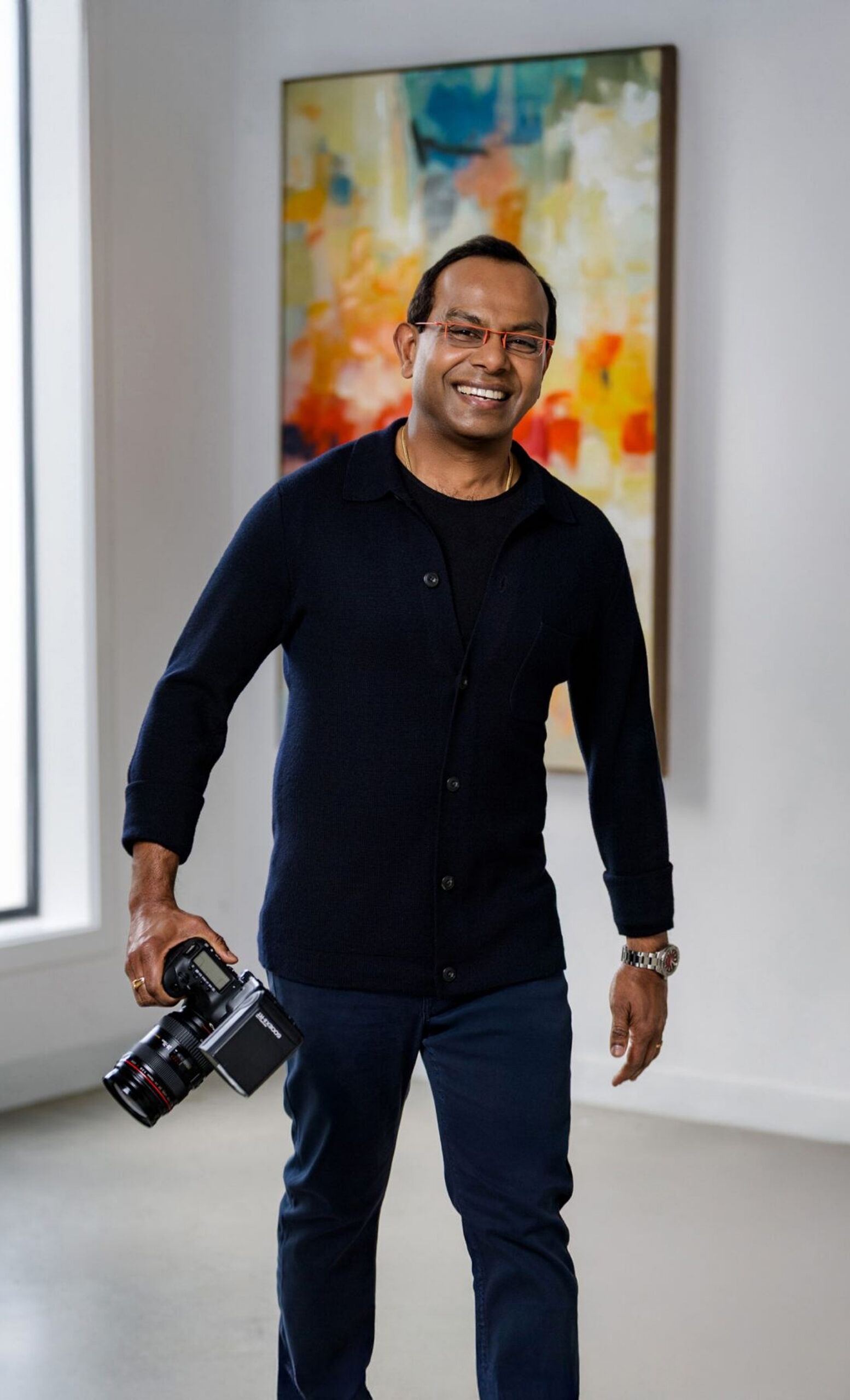
Photographer smiling in a navy cardigan, holding a professional camera indoors with a colorful abstract painting in the background.

When systems seem too complex

You might be looking at enterprise software, cloud platforms, or AI applications and feeling overwhelmed not only by their complexity but by the pace of change and the level of uncertainty. The truth is simpler than it appears. 


In college, I quickly came to appreciate how much impact a simple bit of code can have in the real world. On a project for Premier Paper Products, I wrote code and built circuitry using early Intel 8085 and 80286 processors to automate alignment in the rotogravure machine at this major printing company. This equipment used seven copper ink rollers to produce full-color publications at high volume, and the rollers at that time frequently went out of sync, resulting in frequent and considerable losses of time, labor, paper, and ink. The adjustment reduced paper waste, cut machine downtime, and stabilized production. The company shared my innovation with the Italian manufacturer, who implemented it in future models. It gave me great pride to know that my work could have such a broad impact.

On the heels of that success, I went to work in my family’s retail business, where I grew as a leader introducing cash-on-delivery and other innovations that raised the bar for customer service and business operations. The experience taught me how trust, margins, and discipline determine the success of a system.

These early experiences set the stage for my work at webMethods, where I helped build Java based integration systems used by enterprises worldwide. Across roles, I have seen that patience, clarity, and systems thinking consistently led to durable solutions. This has been especially true at Microsoft, where, over two decades, I have helped the company leave behind an anti-Java reputation and become known as a platform that developers could trust. We went from zero to over 175 engineers building Java experiences on Azure. In the process, we helped companies like Starbucks, Morgan Stanley, and Adobe build secure, scalable applications in the cloud. We did not succeed by focusing only on isolated fixes. Our success only happened when we could produce results that were repeatable and relevant to the whole company.


Large transformations last only when the work proves its practical value to others.

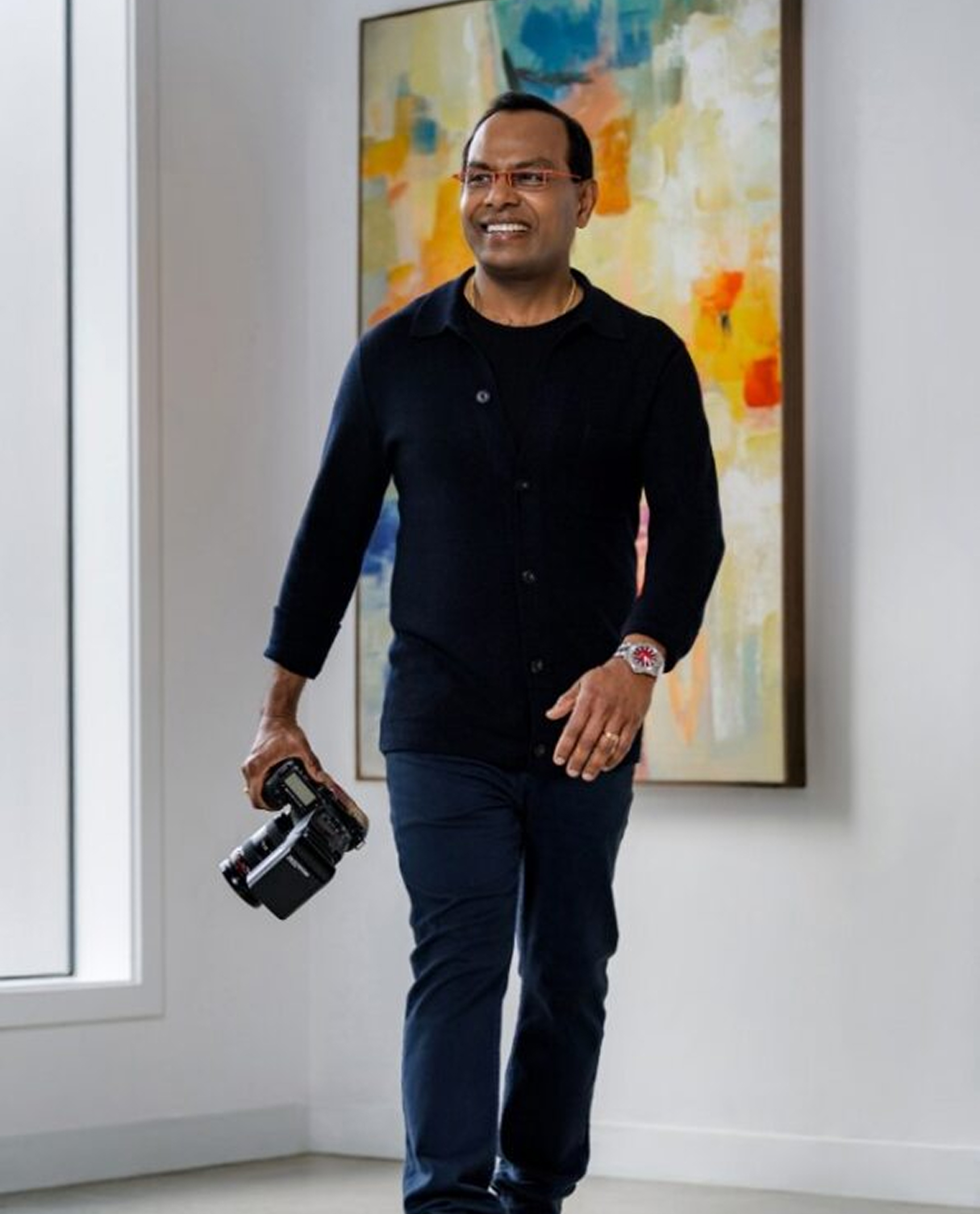
Photographer smiling in a navy cardigan, holding a professional camera indoors with a colorful abstract painting in the background.

When change feels impossible

Maybe you’re part of a large organization that resists change. Maybe you’re trying to modernize systems, adopt new technologies, or shift how your team thinks about building software.

In 2005, I joined Microsoft after the company had reached out to me for several years. They saw the work I was doing with Java and wanted that strength inside the company. Today, Microsoft is well known for its heavy collaboration with Java, but this was not always so. In the early 2000s, most people didn’t speak the words Microsoft and Java in the same sentence. When I joined the team, the company had recently settled its long legal conflict with Sun Microsystems and was ready to start fresh with Java.

This aligned with my belief that Java was an unstoppable force in the industry, and if Microsoft embraced it, the company could unlock new value for its customers. Steering a company as large as Microsoft toward Java came with resistance, setbacks, and long internal debates. But I stayed because I believed that developers deserved a place to grow. Together, we helped companies like Starbucks, Morgan Stanley, and Adobe build secure, scalable apps in the cloud. We contributed to open tools like IntelliJ, Maven, GitHub, and VS Code. We worked with partners like Oracle, IBM, Red Hat, Broadcom, and Azul Systems. Our efforts established Microsoft as a trusted platform for open Java and cloud native workloads. The developer and enterprise experiences that we built grew into a multi-billion-dollar business with steady year-over-year adoption.

For many years, I ran global pilot programs that created fast feedback loops between customers, the Microsoft field, and product teams. During this time, I met with more than 600 Java enterprise customer teams from all over the world, collaborating with 40 client teams at a time. Their questions and struggles sharpened my thinking and pushed our own teams to grow. We turned insights into hundreds of product features and critical fixes that strengthened Azure services and tools for adoption at scale. I also shared what we learned through widely read writing that helped teams apply Java, cloud, and AI patterns beyond direct engagements.

An organization as massive as Microsoft does not always change quickly or eagerly. And when you are the one with the vision, it can be difficult to hold onto it. It takes discernment and patience to know when staying is worth the effort. When you combine a clear vision with practical steps that can guide others, you can find the courage and wisdom to stay through the hard times. And real change can happen.

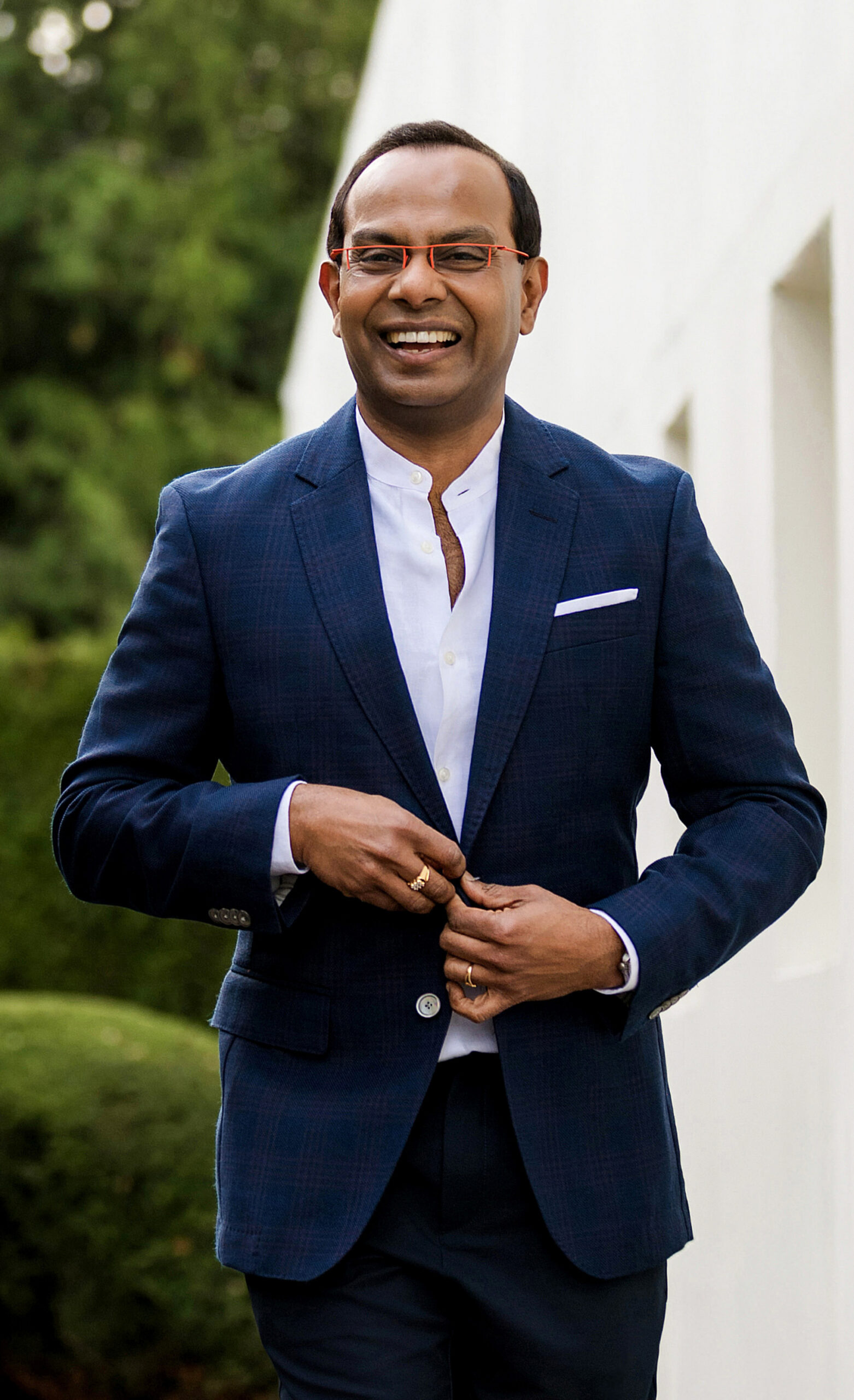
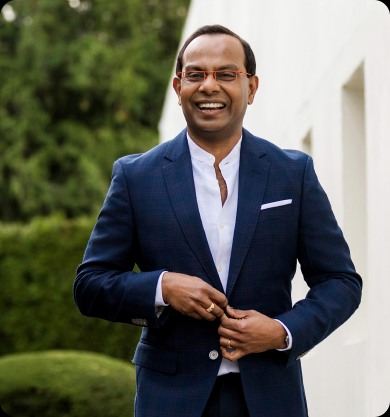
Smiling man in a blue suit and white shirt outdoors beside a white wall.

When you need to start over. Again.

When you’re facing a career transition, learning a new technology, or rebuilding after a setback, the most important skill you can develop is to trust the process. Know that the path forward exists, even if you can’t see it yet.

When I moved to the United States in the early 1990s to study for a master’s degree in computer science at George Washington University, I felt proud that I had come this far. I felt as if I was leaving an entire life behind and starting over. New place, new people, new systems. But as I embraced the unknowns, I soon felt a new sense of belonging. I made new friends and colleagues. I understood how to navigate the system. I listened and learned. I rebuilt.

Eventually, Java became my language of impact, a way to bring structure and scale to real problems. As lead architect at webMethods, I helped shape XML and web service standards in W3C so that systems everywhere could work together, influencing how large enterprises designed interoperability at scale.

That level of growth does not come easy. The company grew quickly, and we had to adapt while building systems that could withstand change and to ride the proverbial wave of unpredictability that has become characteristic of the tech industry.

It would be easy to think of a tech career as the constant acquisition of new technical skills. But under the surface, we see something much more profound: a constant deepening in the ability to learn, to recognize systems and patterns, and to remain open to change. Every restart carries the chance to build a stronger foundation if you stay open and keep learning.

When innovation feels out of reach

You might think innovation requires resources you don’t have or expertise you haven’t developed yet. This is not so.

Some of the most impactful work comes from recognizing patterns early and applying them consistently.

In 2012, I helped launch Microsoft’s presence on GitHub, connecting employee identity so teams could contribute to the open with trust and safety. This early work supported Microsoft’s rise in open source, and by 2016 the company had become the top open-source contributor. This momentum aligned with the company’s acquisition of GitHub in 2018.

I later worked on the Open Compute Project Foundation effort in 2013 and 2014. We shared cloud server designs so data centers worldwide could use efficient hardware. This move reduced costs, improved scale, and helped shape standards that are still in place today.

We also pioneered managed identity and passwordless access across Azure services. This became a pillar in Microsoft’s Security First initiative. Later, I led product strategy to help developers build AI-powered applications using Java. Working closely with Spring AI and LangChain4j, we launched solutions used by companies including BMW, HSBC, and Domino’s.

Do you see a pattern here? While I had expertise in aspects of each project, I had not yet been part of anything like the outcomes we experienced. The critical skill is learning to see patterns and combine existing pieces in new ways.

Innovation rarely starts from nothing. It begins when you trust yourself to apply familiar skills in unfamiliar places.

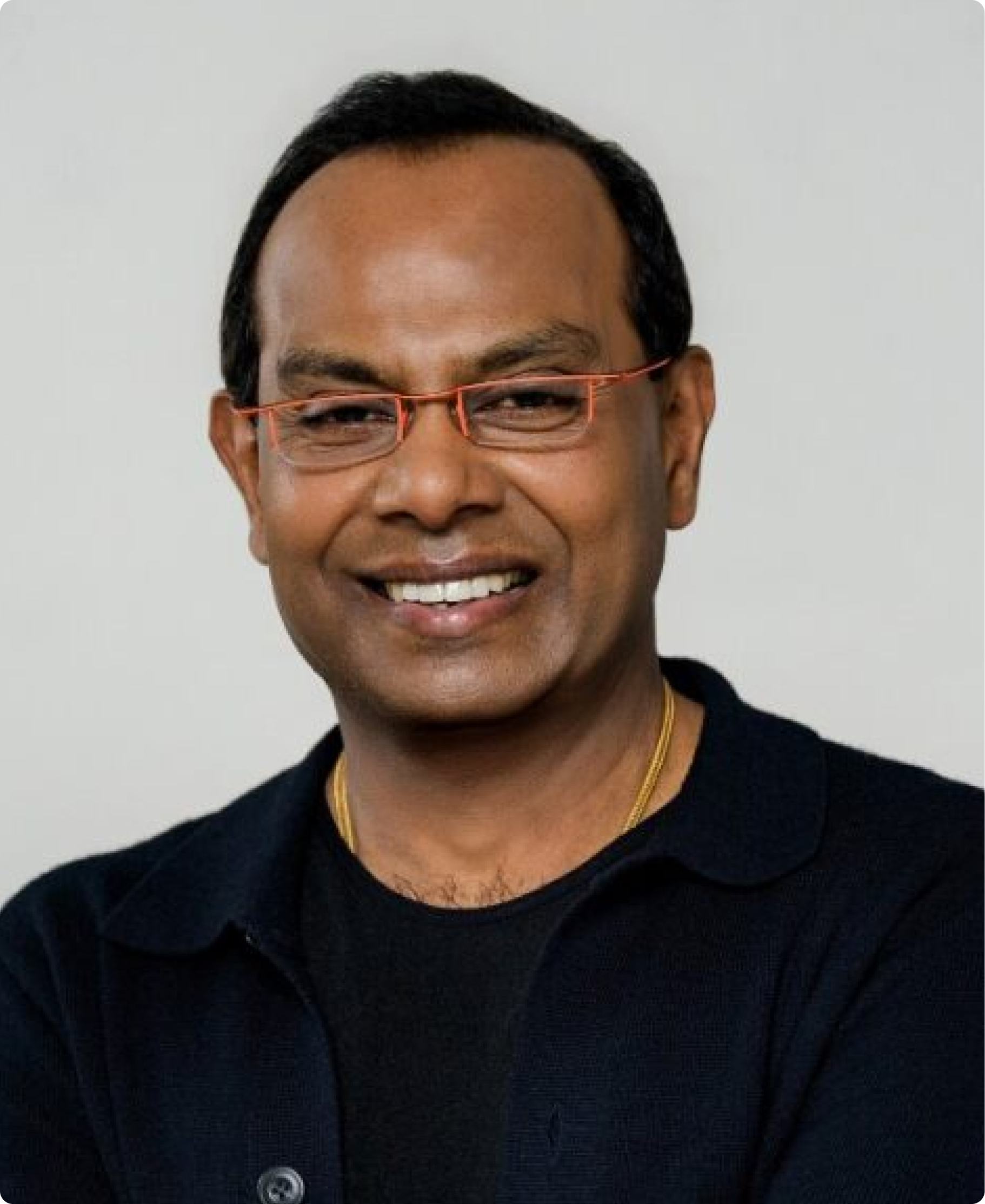
Smiling man wearing orange-framed glasses and a black polo against a light gray background.
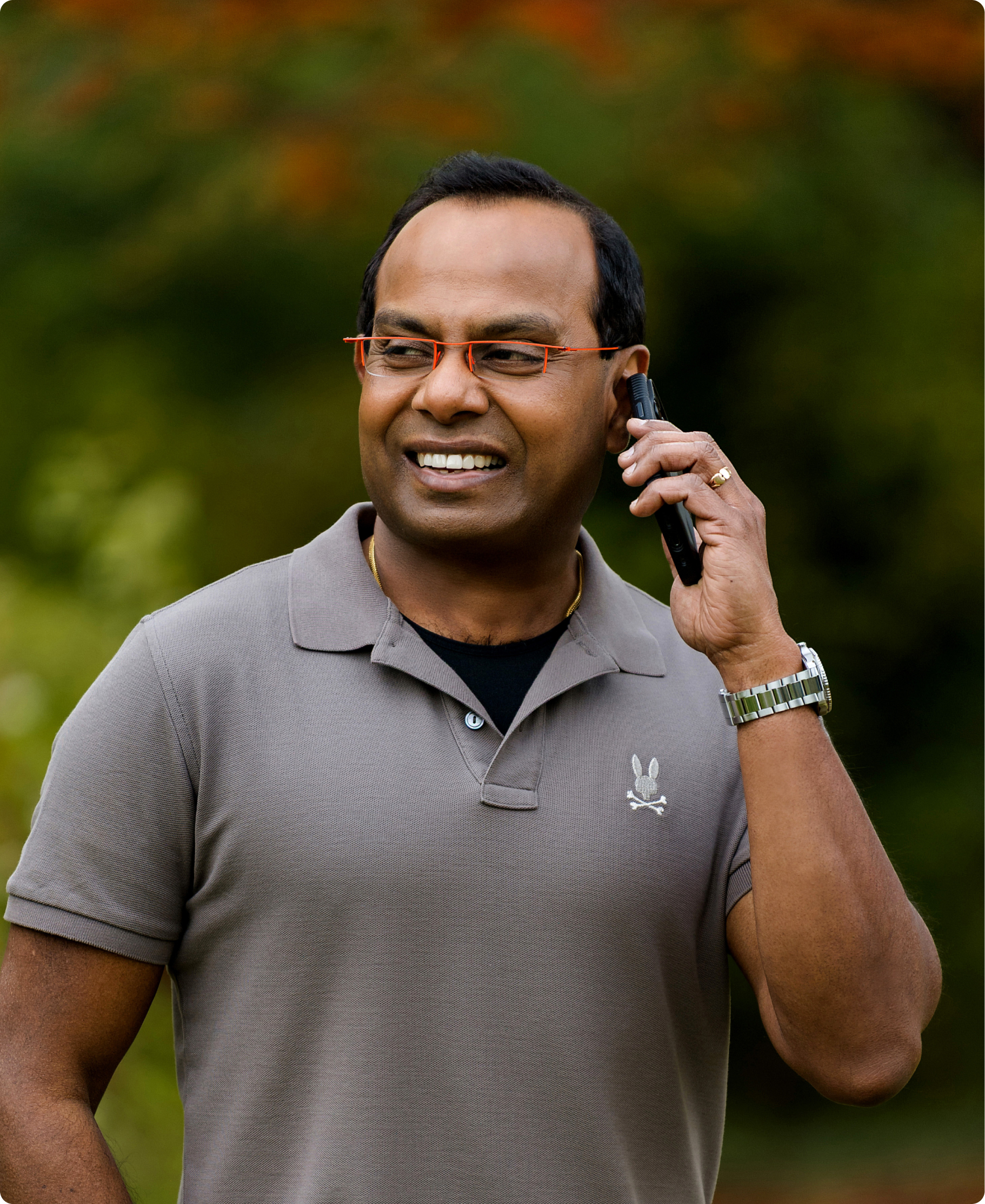
Smiling man outdoors wearing orange-framed glasses, speaking into a handheld headset device while wearing a gray polo shirt and watch.

And sometimes it feels as if all is lost

There are moments when effort, preparation, and skill do not feel like enough. I have lived through seasons where the path forward disappeared and the only option was to pause, reflect, and rebuild.

After moving to Seattle, my family and I lived through a natural disaster that disrupted our lives (we lost nearly everything) and tested everything we thought was stable. It reminded me that even when systems are strong, life can still break them.

I learned that resilience and faith matter as much as any system I build. When things are stripped down to their core, what carries you forward is not technique or experience alone, but what you stand on when those things fall away.

Now I give back through my church and missions in the United States and in India. I still live in Seattle with my wife Caroline and our daughters Jazlyn and Kaitlyn. I stay grounded by the same faith that carried me through school, setbacks, storms, and restarts. I teach from experience because I have lived through moments that shaped my character as much as my career.

Sometimes the hardest seasons do not end with answers. They end with a deeper sense of direction.

Smiling man outdoors wearing orange-framed glasses, speaking into a handheld headset device while wearing a gray polo shirt and watch.

Your Mission: develop the vision and courage to take risks

Courage often begins with trusting that you can learn the skills you need along the way. I know what it means to learn without a safety net. I know what it means to start over not once, but many times. I’ve seen how ideas become systems and systems become movements.

Today, my goal is simple: to help others build with clarity, courage, and conviction.

Because ultimately, this website isn't about my story. It's about yours

How you are using new and existing technologies to bring about needed change.

What you will build next.

How you can harness complexity to create elegant systems so you can move with confidence through your career or your life.

The career path you will forge, wherever you start from.

Every breakthrough starts with difficult questions: Am I too far behind? Is this challenge too big for me? Is this amount of uncertainty too much for me? Here are the lessons I’ve learned and the patterns I’ve found along my path from a village of eight streets to a place of global technology leadership, so you can navigate your own journey with clarity and confidence.

If you're trying to build something bigger than yourself, whether that's a system, a skill, or a second chance, I'm here to tell you that you can.
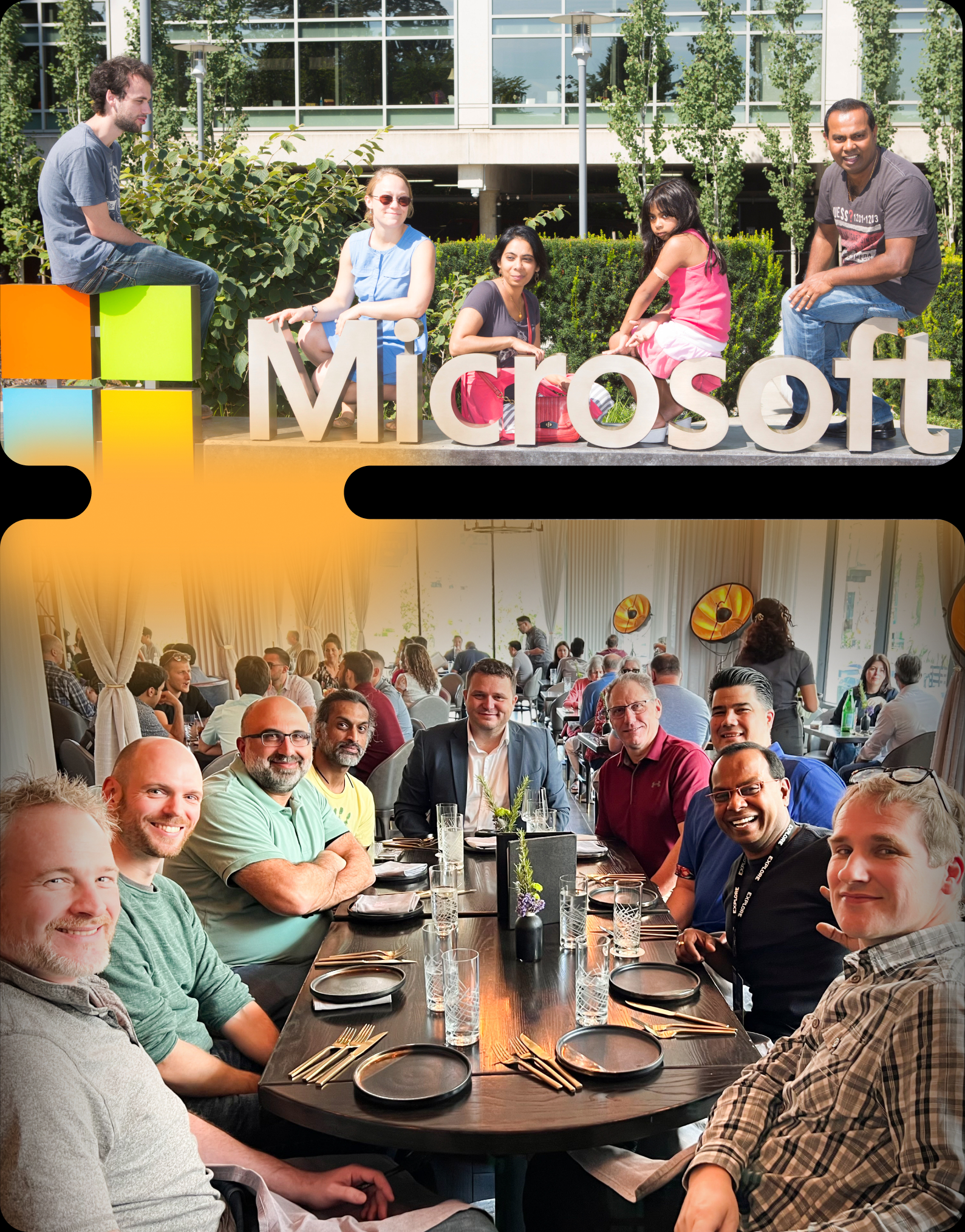
Group of diverse people seated around a long dining table outdoors, smiling at the camera with a large Microsoft sign behind them.

Bring transformative leadership to your team

I am available as a conference presenter, keynote speaker, writer, board adviser, and more.

Connect

Explore technical drawings, art, photography, and more