Too Many AI Tools? Choose What Gets You to Trusted Production
July 2, 2026
Asir Selvasingh • June 1, 2026
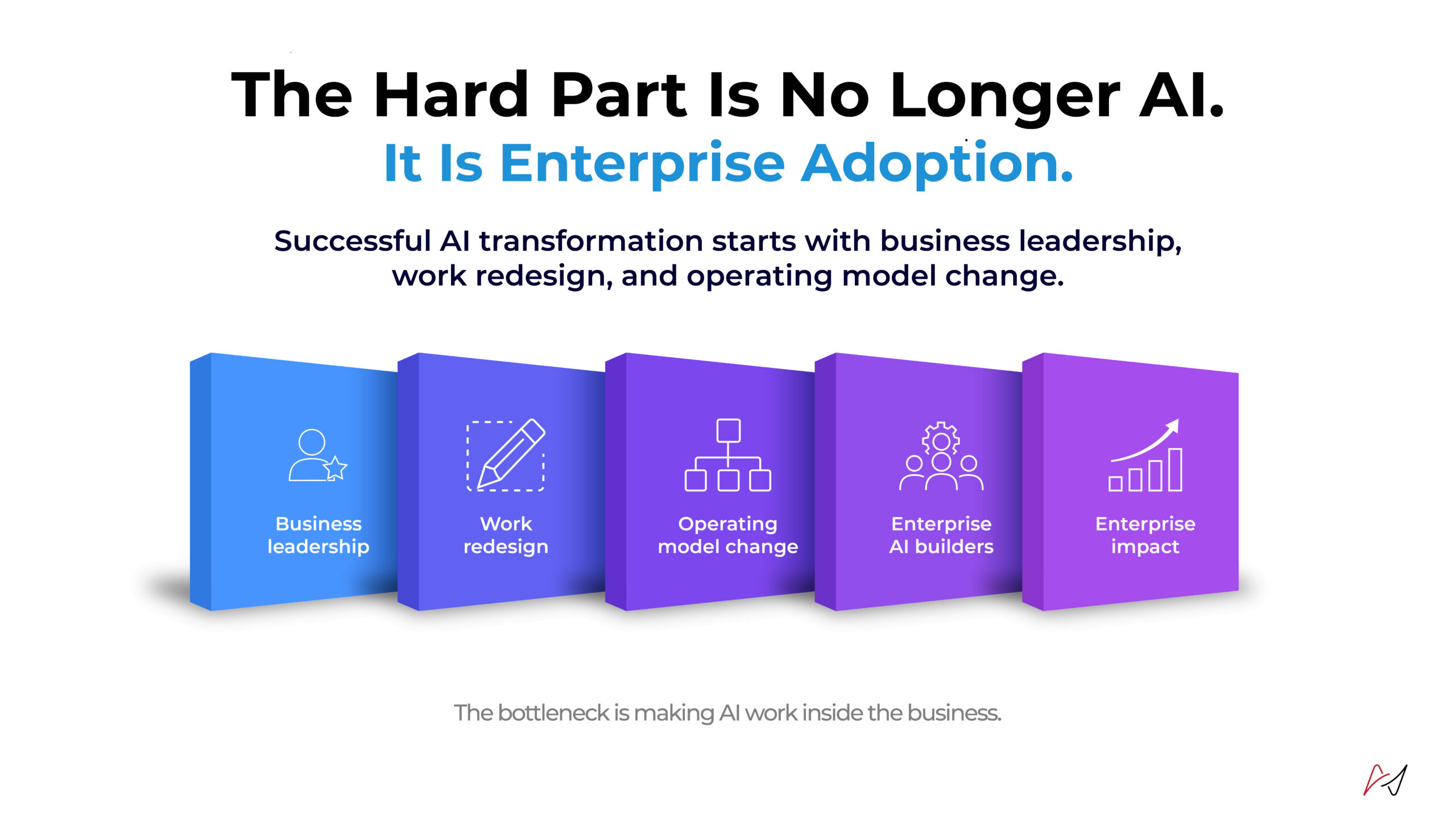
Figure 1. The real bottleneck
Enterprise value starts with business leadership, work redesign, and operating model change. AI builders then make AI work inside the business.
AI capability is here. Enterprise value is still hard. The next phase belongs to enterprise AI builders who help leaders redesign work, turn pilots into production, govern agents, and convert AI excitement into measurable business impact.
The Hard Part Has Shifted
The hard part is no longer proving AI works. The hard part is making AI work inside the enterprise.

Successful AI transformation does not start with a model. It starts with business leadership, process redesign, and cultural change.
Automation creates value only when the work has been redesigned first.
2026 marks a shift from experimental AI pilots to production-oriented enterprise AI deployments. AI adoption has crossed a major tipping point. Enterprise value still varies because many organizations remain between broad usage and deep operational scale.
The Hero: Enterprise AI Builders
The hero is the enterprise AI builder.
Enterprise AI builders are the internal teams inside large companies who turn AI capability into production business systems. This builder is not one team. It is a cross-functional group of technology, data, security, governance, product, operations, and business leaders who turn AI from a promising capability into trusted work inside the company. These are the teams working inside complex enterprise environments such as Walmart, Starbucks, Morgan Stanley, JPMorgan Chase, FedEx, Capital One, UnitedHealth Group, Pfizer, Boeing, Caterpillar, Disney, and Comcast.
They include platform teams, application engineering teams, product teams, AI infrastructure teams, data teams, security teams, governance teams, business technology leaders, CTO organizations, business operators, supply chain teams, support teams, store and field leaders, and frontline experts who know where the real work happens.
AI adoption works best when these teams shape the workflows, validate the outputs, and help the technology fit the way the business runs.
AI stack providers such as OpenAI, Anthropic, Microsoft, Google, AWS, Databricks, Snowflake, and others are critical partners. They build models, platforms, tools, infrastructure, and developer ecosystems. But they are not the primary hero in this story. The primary hero is the enterprise team carrying the adoption burden inside the business.
Enterprise AI builders are not merely adding chatbots to existing applications. They are building the foundations for adoption.
First, reusable internal AI foundations help application teams build safely and consistently.
Second, production-grade applications and agents move AI closer to real work.
Third, data and knowledge layers give AI the right context.
Fourth, governance, evaluation, and observability systems create trust.
Fifth, integration patterns connect AI to enterprise workflows.
Sixth, operating models help business teams move from experimentation to measurable value.
These internal foundations do not replace external AI platforms. They make those platforms usable inside the enterprise. They include approved model access, authentication, authorization, data access, privacy, logging, cost controls, RAG, agent orchestration, evaluation, guardrails, deployment paths, monitoring, and human validation.
Enterprise AI builders consume external AI stack capabilities. They also build the internal adoption layer that helps the business use AI safely and repeatedly.
But adoption does not succeed through the internal AI layer alone. Enterprise AI builders need business leaders who own the workflow, not only the AI budget. Without that ownership, teams may automate old processes instead of redesigning better ones.
The pressure on these teams is intense. Business leaders want AI outcomes. Teams are already experimenting. AI stack providers are moving quickly. Boards and CEOs want proof of transformation. Internal enterprise AI builders must make AI safe, scalable, reliable, governable, cost-aware, and useful inside complex enterprise environments.
The Core Problem: Adoption Is Broad, Scaling Is Hard
Enterprise AI adoption has crossed the awareness threshold. Most large organizations already use AI in some form. But usage is not the same as scale. The real challenge is not whether AI helps. The real challenge is whether enterprises operationalize AI across production systems, workflows, governance models, and business processes.
McKinsey’s 2025 AI survey, published on November 5, 2025, captures the gap clearly: 88 percent of organizations report regular AI use in at least one business function, but only 39 percent report enterprise-level EBIT impact.
AI is being used. Most enterprises still have not rewired how work gets done.
The core problem is this: AI adoption is broad, but enterprise scaling is hard.
The gap is not awareness. The gap is operationalization.
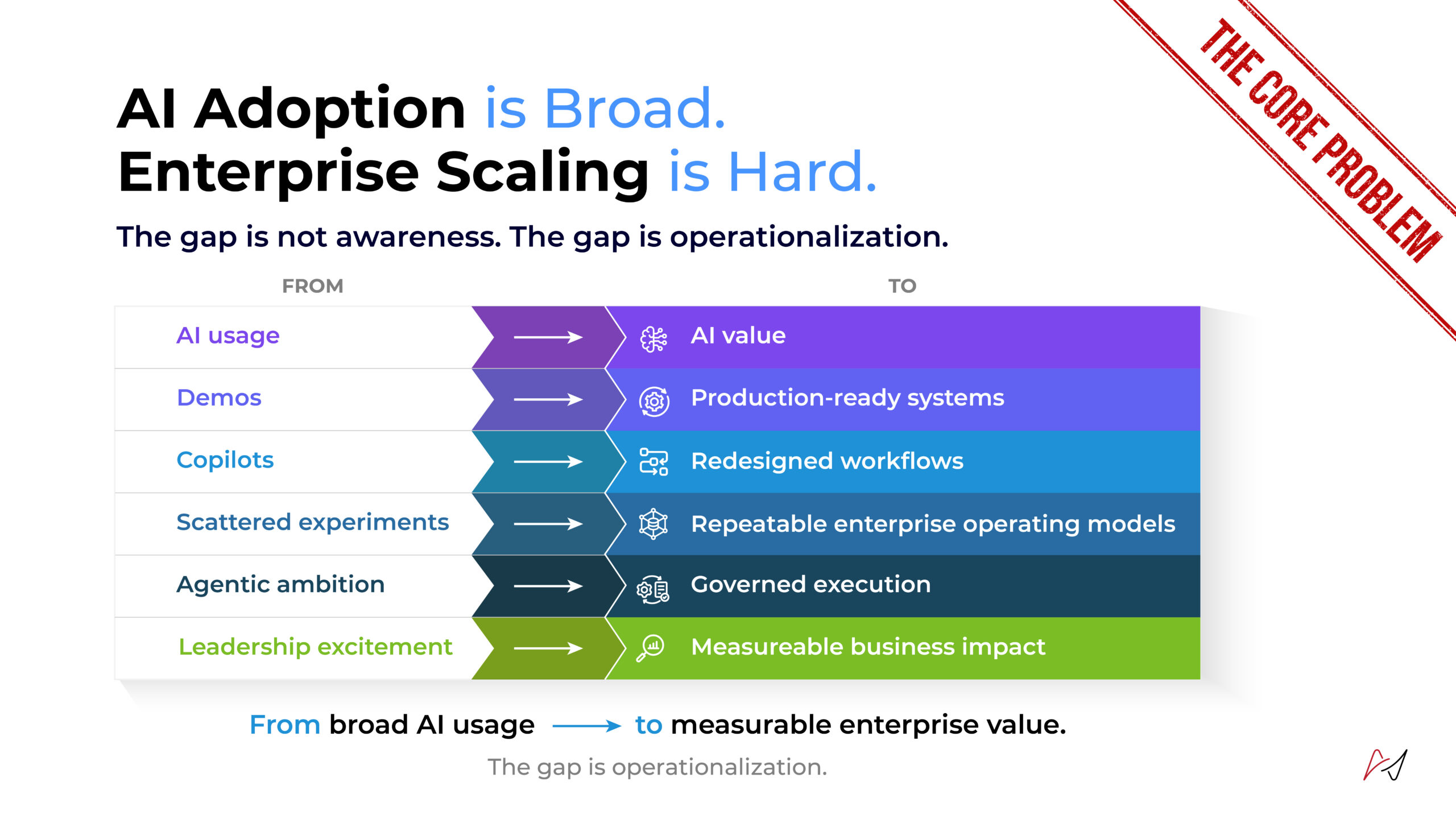
Figure 2. The core problem in enterprise AI adoption
The challenge is no longer proving AI works. The challenge is turning broad usage into value through work redesign, governance, and operating discipline.
Enterprise AI builders are being asked to close six gaps.
First, AI usage and AI value.
Second, demos and production-ready systems.
Third, copilots and redesigned workflows.
Fourth, scattered experiments and repeatable enterprise operating models.
Fifth, agentic ambition and governed execution.
Sixth, leadership excitement and measurable business impact.
These gaps define the real work of enterprise AI adoption. The challenge is making AI work reliably, repeatedly, and safely inside the enterprise.
8 Operating Challenges in Enterprise AI
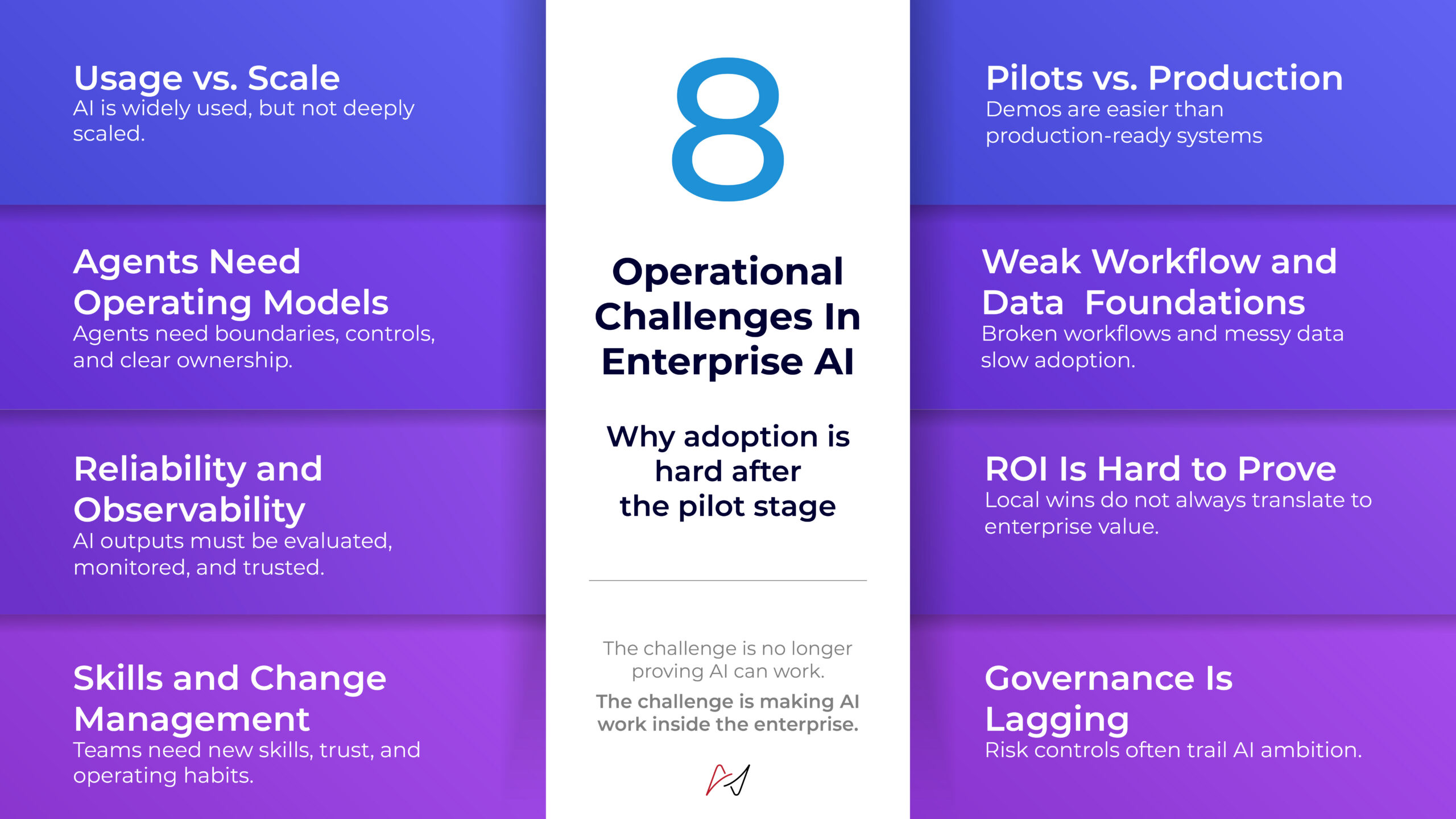
Figure 3. 8 operational challenges in enterprise AI
Why adoption is hard after the pilot stage.
Challenge 1: Broad usage is being mistaken for deep adoption
Many organizations point to AI usage. Fewer point to enterprise-scale transformation.
McKinsey shows AI is widespread, while most organizations have not embedded AI deeply enough into workflows and processes to create material enterprise-level value.
This creates a practical risk. Leaders might believe the company has become AI-driven because teams use tools, teams run pilots, and providers add new AI capabilities. Enterprise AI builders know adoption requires more. Adoption requires work redesign, integration, security, data readiness, workflow redesign, measurement, and ownership.
Challenge 2: Production is much harder than pilots
Pilots create interest. Production creates accountability.
A proof of concept works with a narrow dataset, a friendly user group, limited risk, and manual oversight. A production AI system must work across real workflows, permissions, data boundaries, edge cases, costs, failure modes, governance requirements, and business expectations.
McKinsey reports nearly two-thirds of organizations have not begun enterprise-wide scaling. The shift from pilot to production remains hard for most companies.
Challenge 3: Agentic AI is promising, but still early and narrow
Agentic AI is one of the biggest shifts in enterprise AI. The maturity level is still early.
McKinsey reports 62 percent of organizations are experimenting with AI agents, while 23 percent are scaling an agentic AI system somewhere in the enterprise. In any one business function, no more than 10 percent are scaling AI agents.
The enterprise challenge is not simply building agents. The deeper work is building the operating model around agents.
First, what work does the agent perform?
Second, what tools does the agent use?
Third, what systems does the agent touch?
Fourth, when does a human validate output?
Fifth, how are actions logged, evaluated, observed, reversed, and governed?
Sixth, how is cost controlled?
Seventh, who owns the outcome when something goes wrong?
Challenge 4: Data and workflow foundations are still weak
AI value depends on the quality of the workflow AI enters. If the workflow is fragmented, the data is messy, and system ownership is unclear, AI adds more complexity.
McKinsey shows high performers invest across strategy, data, talent, operating model, and technology infrastructure. High performers also redesign workflows and embed AI into business processes.
This is a warning for enterprises trying to layer AI onto old processes. AI does not fix every broken workflow, inconsistent data model, or disconnected system of record.
Challenge 5: Reliability and accuracy matter more as AI moves closer to real work
Anthropic’s material makes the task-level issue clear. AI creates speed gains on many tasks, especially more complex tasks, but reliability matters. Productivity claims need to account for success rates, not only speed.
McKinsey reinforces the same concern from a risk view. Inaccuracy is the most experienced AI-related negative consequence, and organizations are mitigating more AI risks than before.
For enterprise AI builders, evaluation, validation, and observability are part of production readiness.
Challenge 6: ROI is visible in pockets, but enterprise-level value remains hard to prove
McKinsey shows AI is producing functional benefits. Respondents report cost decreases in software engineering, IT, and manufacturing. They also report revenue increases in marketing and sales, strategy and corporate finance, and product or service development.
But enterprise-level EBIT impact is still limited. Only 39 percent report EBIT impact at the enterprise level, and most say less than 5 percent of EBIT comes from AI.
This creates pressure on enterprise AI builders. They might need to justify platform investments before the enterprise agrees on which value to measure, which workflows to redesign, and who owns the business outcome.
Challenge 7: Workforce and skills questions are unresolved
McKinsey says hiring for AI-related roles remains strong, with software engineers and data engineers in demand. The same material shows mixed workforce expectations. Some functions have seen modest workforce declines, while more respondents expect reductions in the next year.
Anthropic adds a task-level view. AI is often used for higher-education tasks and might change the skill mix inside jobs. In some cases, AI removes routine work and leaves people with higher-value judgment work. In other cases, AI might remove higher-skill work and leave less meaningful work behind.
The challenge is not skills supply alone. The challenge includes job design, trust, learning, and change management.
Challenge 8: Governance is lagging ambition
As AI moves from copilots to agents and from suggestions to actions, governance needs more precision.
The question is not only whether AI is allowed. The question is what AI is allowed to do, under which conditions, with which data, with which tools, and with which human validation.
McKinsey notes organizations are mitigating more AI risks than in 2022. High performers also manage more risks more proactively. Governance maturity is becoming part of adoption maturity.
The Pressure Inside the Enterprise
Enterprise AI builders face a different emotional reality than the public AI narrative suggests.
From the outside, AI looks exciting. For builders, AI creates pressure.
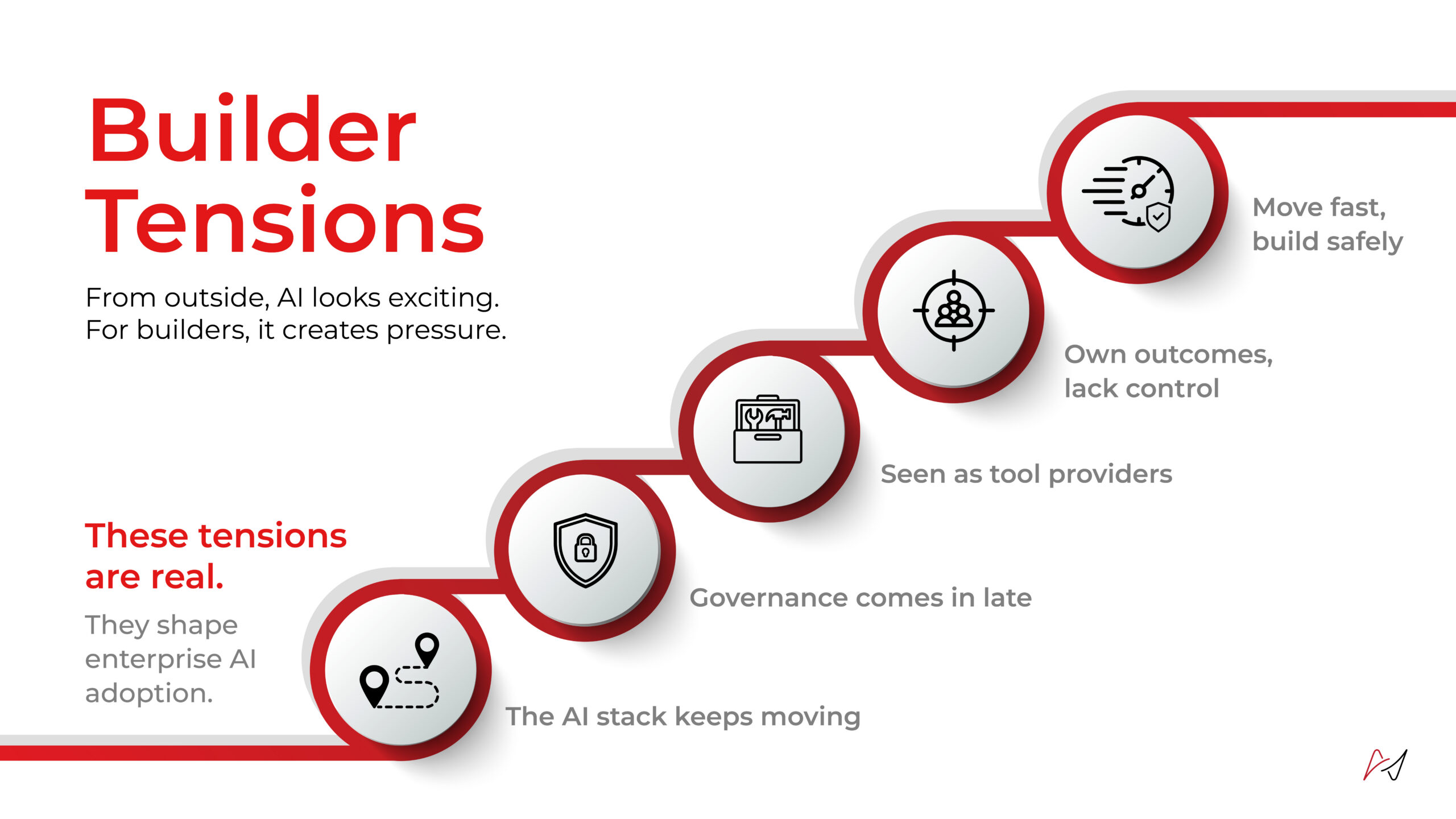
Figure 4. Builder tensions in enterprise AI
The pressure behind the progress.
Builder tension 1: They are asked to move fast while building safely
Business leaders want speed. Builders know the enterprise needs discipline. Moving too slowly risks losing momentum. Moving too quickly risks fragile systems, security exposure, runaway cost, inaccurate outputs, and loss of trust.
Builder tension 2: They are responsible for outcomes they do not fully control
Enterprise AI builders build platforms, tools, and reusable patterns. But business value depends on workflow redesign, adoption, training, governance, data quality, and business ownership.
This creates a practical problem. The team accountable for the stack might not control the process changes needed to create value.
Builder tension 3: Platform teams risk being treated as tool providers
Platform teams often get asked for access to models, frameworks, APIs, environments, and deployment patterns. The real enterprise need is broader. AI platforms need to support observability, evaluation, policy, data access, cost control, human validation, security, and integration with existing systems.
If platform teams are treated only as tool providers, the enterprise underestimates the work needed to scale AI responsibly.
Builder tension 4: Security, legal, and compliance teams are pulled in late
If governance arrives after pilots have spread, risk teams become blockers by necessity. A healthier pattern makes governance part of the development lifecycle from the beginning.
That needs time, shared language, and executive support.
Builder tension 5: Builders know the AI stack is still moving
Model capabilities, agent frameworks, evaluation methods, data architectures, governance patterns, and provider offerings are still changing. Builders must make architecture decisions in a moving market while avoiding lock-in, fragmentation, and constant rework.
The Deeper Tension
Enterprises should not expect transformational value from AI while treating AI like a surface-level productivity tool.
This is the deeper tension.
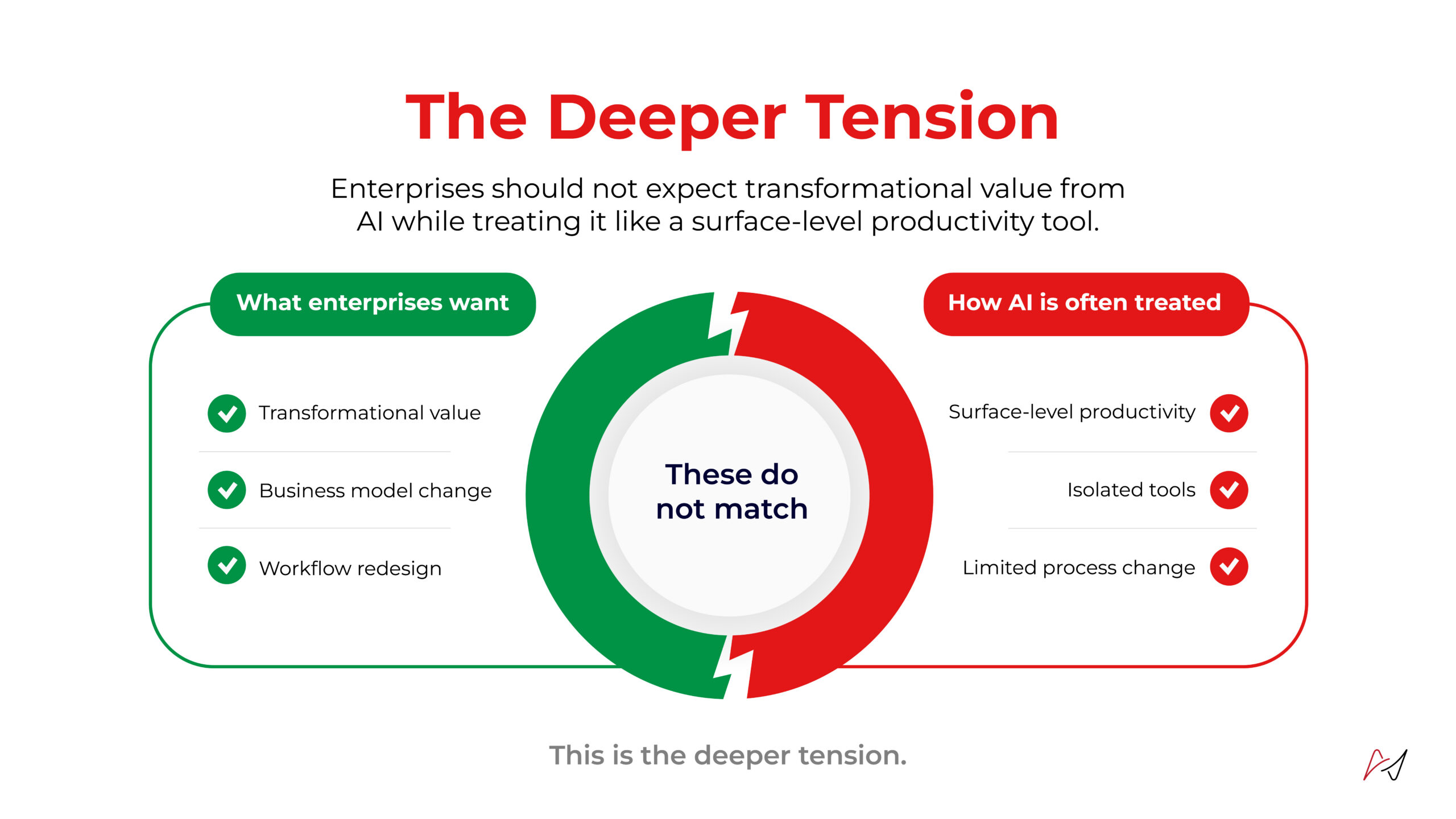
Figure 5. The deeper tension
Enterprises want transformational value, but AI is often treated as a surface-level productivity tool. The work must change before AI creates value.
Many organizations want transformation outcomes without doing transformation work.
They want ROI without workflow redesign.
They want agents without operating models.
They want speed without evaluation.
They want personalization without data discipline.
They want automation without governance.
They want enterprise impact without enterprise change.
The deeper tension is simple. Enterprise AI adoption is not a feature rollout. It is a work redesign, platform, governance, and operating model challenge.
The starting point is not a model. The starting point is the business process. Leaders need to decide which work should change, which decisions should improve, which handoffs should disappear, and which outcomes matter. Automation creates value only after the work has been redesigned.
The teams doing that hard work are the heroes.
What the Evidence Shows
McKinsey shows the adoption-value gap
McKinsey’s market-level message is clear. AI use is widespread, but enterprise-scale impact is still limited. AI is present in many organizations, while the transition from experimentation to scaled impact remains a work in progress.
The data shows the gap. 88 percent of organizations report regular AI use in at least one business function. Nearly two-thirds have not begun scaling AI across the enterprise. Only 39 percent report enterprise-level EBIT impact, and most of those report less than 5 percent of EBIT from AI.
McKinsey also shows high performers behave differently. They pursue transformation, redesign workflows, show leadership commitment, invest more, establish human validation, and build stronger foundations across strategy, data, talent, operating model, and technology.
Anthropic shows the task-level adoption gap
Anthropic’s material shows AI impact is uneven across regions, occupations, and tasks. Coding and technical work still lead, while use cases are widening.
Augmentation remains important. People often work with AI to refine, edit, learn, and iterate. They do not always hand off full tasks.
The useful insight for enterprise builders is task-level measurement. Leaders should ask which tasks AI helps with, how hard those tasks are, whether AI succeeds, and when human validation is needed.
Walmart shows what scaled AI looks like
Walmart offers a useful case example of AI moving beyond isolated productivity tools. The materials describe AI across marketplace seller tools, customer shopping experiences, supply chain forecasting, self-healing inventory, fulfillment, logistics, dynamic delivery windows, AI search, replenishment, and agentic commerce.
The Walmart story matters because AI is part of an operating model. AI is connected to platforms, inventory, fulfillment, stores, sellers, associates, customers, and the teams who keep the business running.
Handle the example with care. Walmart shows what scaled AI looks like, but not every enterprise has Walmart’s scale, data assets, operational footprint, or technology investment capacity.
The evidence is strong enough to say enterprise AI adoption is real. The evidence is not strong enough to say enterprise AI transformation is complete.
The Failure State to Avoid: AI Everywhere, Transformation Nowhere
The failure state is not a drop in AI use. The failure state is AI everywhere, transformation nowhere.
In that failure state, AI remains trapped in pilots.
Leaders confuse usage metrics with business impact.
Agents operate without clear boundaries or human validation.
Teams ship AI features users do not trust.
AI systems are not integrated into real workflows.
Governance arrives after risk has spread.
Costs rise faster than measured value.
The AI stack becomes fragmented and hard to operate.
Business leaders lose confidence.
Enterprise AI builders get blamed for adoption failures caused by weak strategy, unclear ownership, poor data, broken workflows, or lack of governance.
The Success State to Aim For: AI as Operating Reality
Success is not more AI usage. Success is AI becoming a reliable part of how the enterprise works.
In the success state, AI moves from pilots to production systems.
AI is embedded into redesigned workflows that business leaders and operators actively own.
Agents operate within clear permissions, boundaries, validation, and measurement.
Platform teams provide reusable internal foundations for application teams.
Governance, evaluation, and observability become part of the development lifecycle.
Business leaders understand what AI proves and what AI does not prove yet.
Enterprise AI builders are recognized as the heroes who made adoption real.
Closing Thought
The next phase of enterprise AI will not be won by the teams with the most demos. It will be won by organizations that start with business leadership, redesign how work gets done, change the operating model, and then give enterprise AI builders the platform, governance, and mandate to make AI work inside the business.
Those builders turn executive ambition into architecture.
They turn model capability into workflow capability.
They turn data into context.
They turn agents into governed systems.
They turn pilots into production.
They turn usage into business value.
They turn enthusiasm into trust.
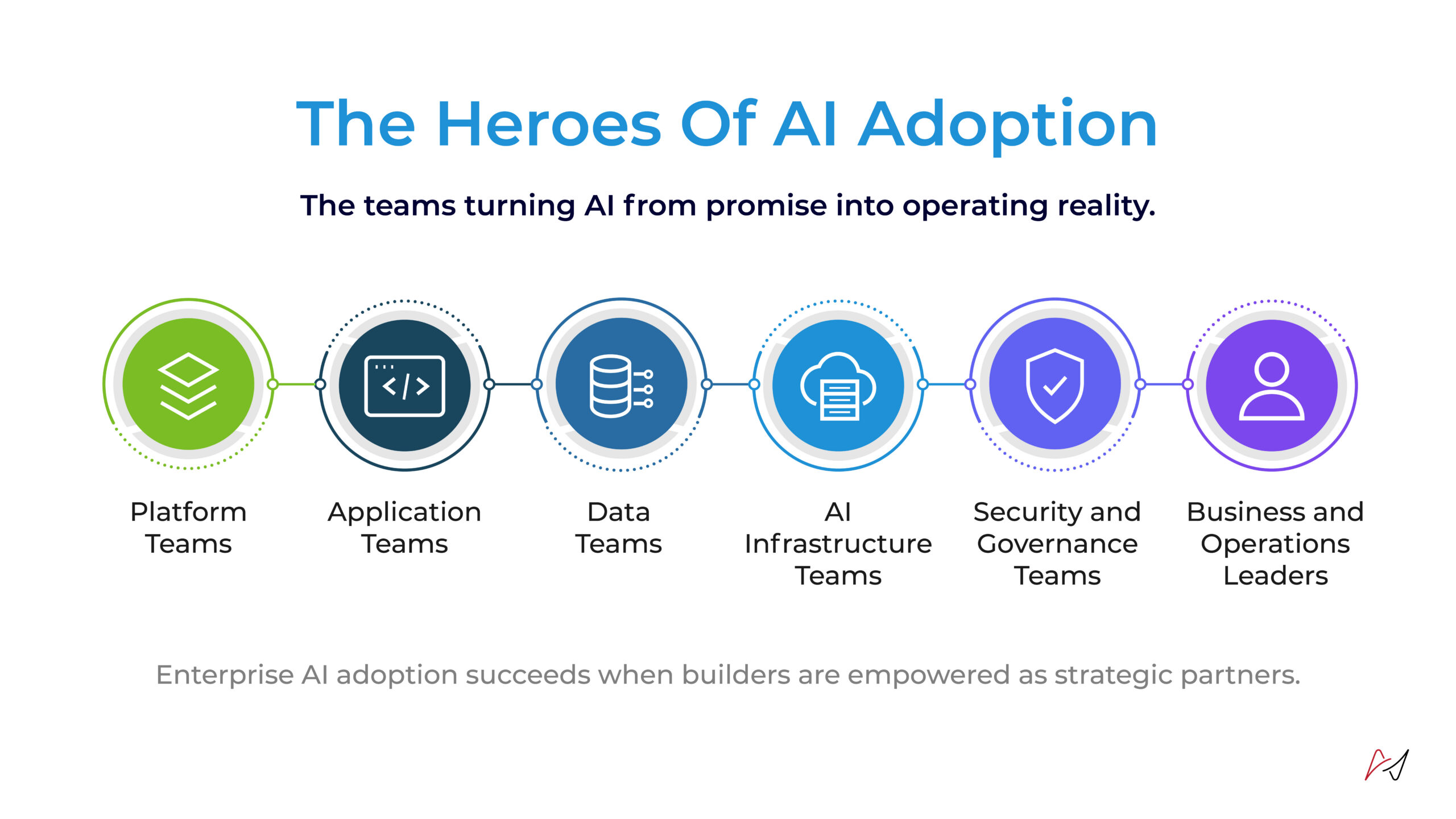
Figure 6. The heroes of AI adoption
Enterprise AI adoption succeeds when business leaders own the change and builders are empowered as strategic partners.
That is why these builders need more than tools. They need business ownership, process redesign, operating model support, governance, and trust from the leaders asking for outcomes.
Start by separating AI usage from AI value. Then ask which work needs to change before automation begins. Give your enterprise AI builders the mandate, platform, governance, and business partnership they need to make AI work inside the enterprise.
Start by separating AI usage from AI value.
Then ask which work needs to change before automation begins. Give your enterprise AI builders the mandate, platform, governance, and business partnership they need to make AI work inside the enterprise.
References
McKinsey, The state of AI in 2025: Agents, innovation, and transformation, November 5, 2025
Anthropic, Economic Index: New building blocks for understanding AI use
Anthropic, Anthropic Economic Index report: Economic primitives
Walmart Announces New Holiday Shopping Experiences
Walmart’s U.S. Supply Chain Playbook Goes Global and It Is Reinventing Retail at Scale
Walmart Partners with OpenAI to Create AI-First Shopping Experiences
From Aisles to Algorithms: Walmart’s Tech-Forward Innovations for Time-Saving Shopping
Inside the AI network orchestrating Walmart’s fastest holiday deliveries yet
Categories > Leadership/AI
Tags > Artificial Intelligence, Technology, Leadership, AI Transformation